Field Notes
Three Minutes, One Card, and a Question We've Wanted Answered for a Year
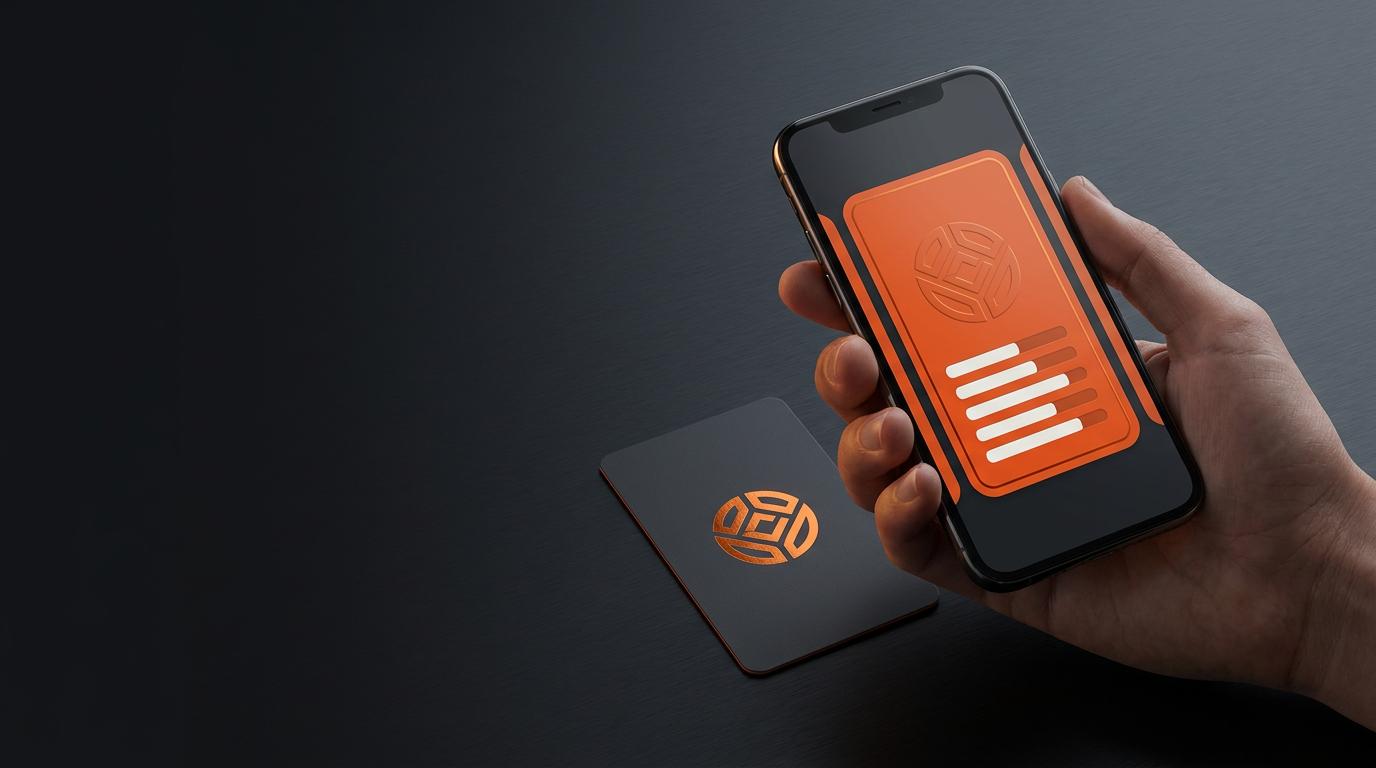
Everyone in events says they use AI. Almost nobody can tell you how. So we built a three-minute challenge that shows you, gives you a card at the end, and tells us something the industry has only ever guessed at.
A question I keep hearing answered the same way
Ask anyone in events whether they use AI and the answer is yes, almost every time now. Ask them how, and you get a shrug and "you know, emails, the odd proposal".
I believe them. I also think "the odd proposal" is doing a lot of work in that sentence.
Every conference panel this year has had a view on how event professionals are using AI. Nobody has had numbers. Not survey numbers, where people describe the version of themselves they would like to be, but numbers from watching people actually do a job with an assistant sitting next to them. That bothered me for about a year before I did anything about it.
So we built something instead of asking another question
You cannot ask someone to describe how they work with AI and trust the answer. Not because people lie, but because nobody remembers how they phrased a request on a Thursday afternoon with three other things open. The moments that stick are the interesting ones. The ordinary ones, which are the ones that matter, never register.
So we did not build a survey. We built a small planning job, the kind of thing you would hand an AI assistant in a normal week, and made it something you can do in about three minutes on your phone.
You talk to it, or type if you would rather, work through the job together the way you would on a real day, and at the end you get a card. An archetype, one of five, collectible, top trumps style, the sort of thing you look at and immediately want to know which one your colleague got.
It is genuinely fun. That was not decoration bolted onto something serious. It is just a better way to get an honest three minutes out of someone than a form ever was.
What it actually is, for anyone who likes to know before they click
- It is anonymous.
- It takes about three minutes.
- It works on your phone, standing up, on a break, wherever you are when you read this.
- You do a short planning job with an AI assistant, the way you normally would, and you get your card at the end.
That is the whole of it. The interesting part is not the mechanics. The interesting part is what we learn once enough people have played it honestly, and that is the bit I will share later, properly, with the numbers behind it rather than a hunch.
What the card says about you
The five archetypes are about how you work with an assistant. How much you hand over and how much you keep. How you ask for things. Whether you treat it like a colleague, a tool, or a slightly unreliable intern. None of them is the right answer, and each has a stat or two the others would quite like to have.
People are already arguing about which one their team lead would get. That is roughly the reaction I was hoping for.
The one instruction that actually matters
Play it the way you would actually work, not the way you would want to be seen working. Ask for things the way you ask for them. Hand over what you would normally hand over. Do not perform anything for a card.
That is the whole design decision behind making it short and playful: honesty in, honesty out. Anything else and the card is decorative and the findings mean nothing.
Where this goes next
Early findings get their first public airing at CHS Manchester on 30 September, where I am also doing three sessions on the show floor and building a piece of software live, from problems the room votes on, which is its own story for another post.
The more people who play before then, the more I have to say, and the less it is one man's hunch from a stage.
Go and get your card
It takes three minutes, it is anonymous, and you get something shareable out of it at the end, which is more than most things asking for three minutes of your week can say.
Have a go at research.zoby.ai, and if you end up with a card you like, share it. I would rather see which archetype your team gets than hear another opinion about whether the industry is ready for AI. We will find out together.